Heads up: This post may contain affiliate links. If you buy through my links, I may earn a small commission at no extra cost to you. Learn more.
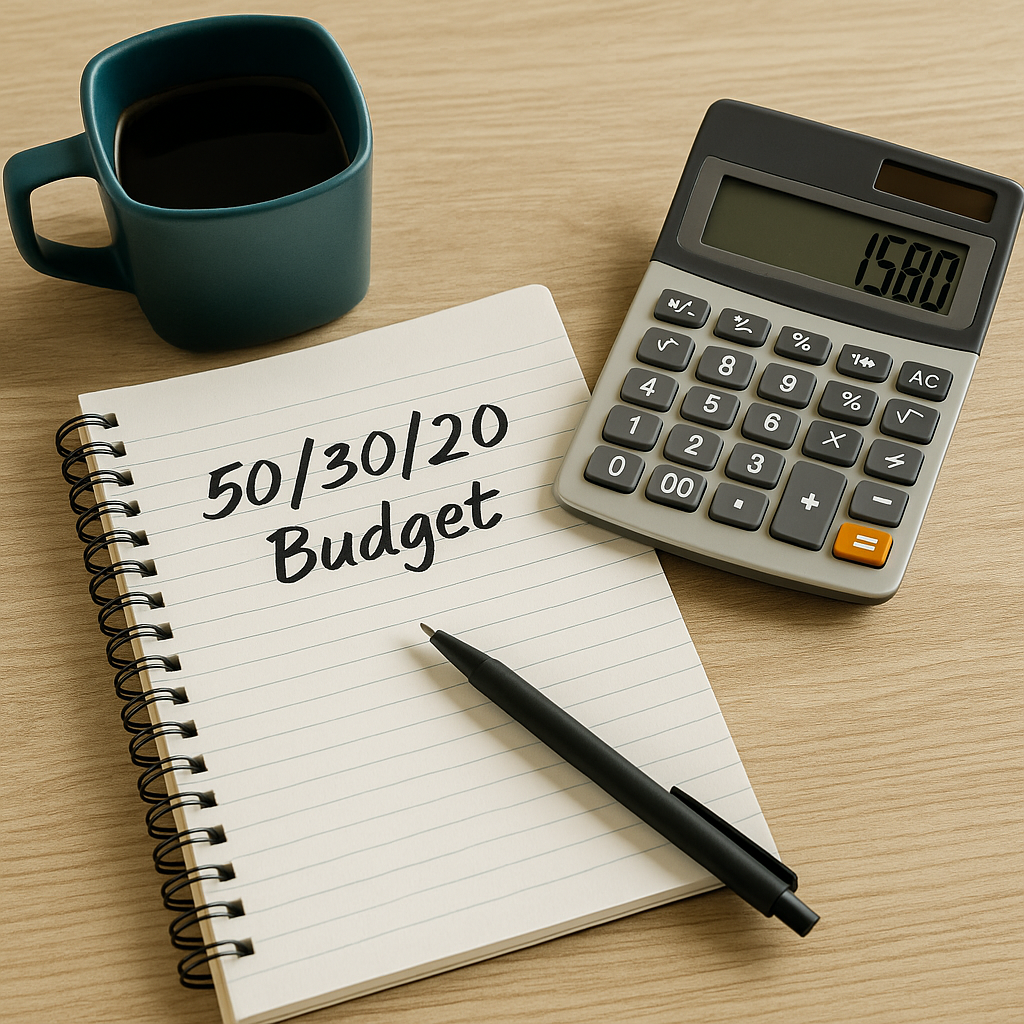
The 50/30/20 budget rule is a straightforward way to manage your money without spreadsheets or complicated apps. If you want a proven method to save, spend wisely, and reduce debt, this guide shows you exactly how to set up the rule and make it fit your real life.
What Is the 50/30/20 Budget Rule?
This method divides your after-tax income into three buckets that keep your finances balanced:
- 50% Needs – Housing, utilities, groceries, transportation, insurance, and minimum debt payments.
- 30% Wants – Dining out, streaming, hobbies, entertainment, travel, and other non-essentials.
- 20% Savings & Debt Repayment – Emergency fund, retirement, extra payments toward loans or credit cards, and other future goals.
Why This Method Works
It succeeds because it’s simple, flexible, and balanced. There’s no need to track every purchase to the penny—you only keep your spending within three clear limits. It also adapts to any income level and still leaves room for fun while you build long-term security.
Quick Start in 10 Minutes
- Calculate your monthly take-home pay (after taxes).
- Multiply your income by 0.50 for needs, 0.30 for wants, and 0.20 for savings/debt.
- Scan your last month of spending and move items into the three buckets.
- Adjust anything that pushes a category over its target, then review weekly.
Want a quick refresher on budgeting basics? See the Consumer Financial Protection Bureau’s guide. For more about us and our approach, visit the About page, or browse more guides on the BudgetBuzz Blog.
Example Budget on $3,000 per Month
Here’s how the targets would look for a take-home pay of $3,000 each month:
| Category | Percent | Amount |
|---|---|---|
| Needs | 50% | $1,500 |
| Wants | 30% | $900 |
| Savings/Debt | 20% | $600 |
Tips to Stay on Track
- Automate transfers to savings right after payday.
- Keep wants in one card or account so you can see the total at a glance.
- Recalculate your percentages when income or bills change.
Start using the 50/30/20 budget rule this month and you’ll have a clear plan for every dollar, less stress around bills, and steady progress toward your goals.